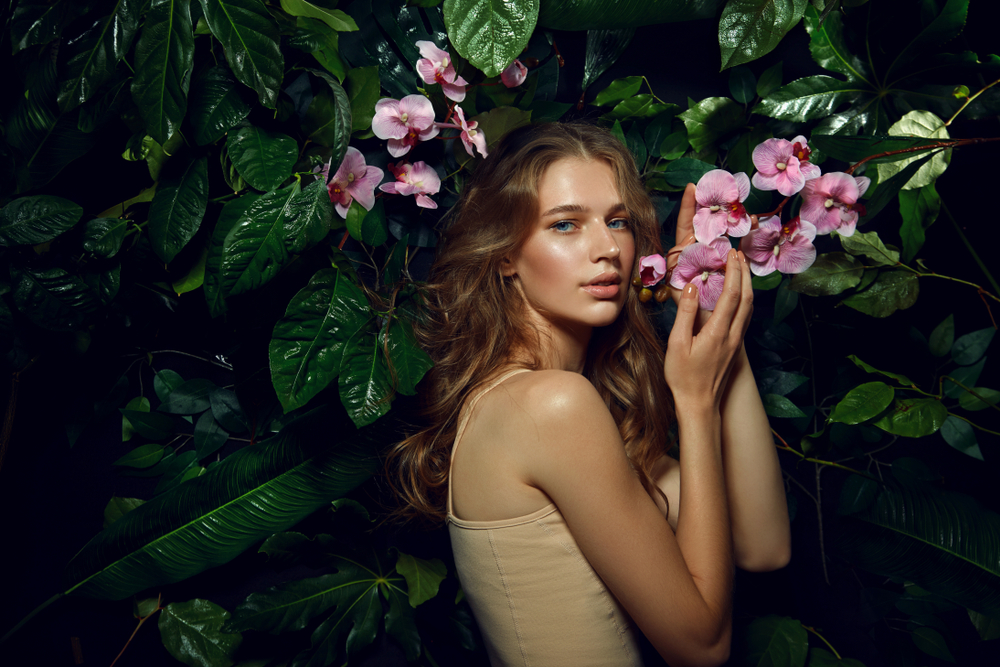
Modeling is not just about standing in front of a camera and striking a pose. It is an art that requires practice, skills, and the ability to express various emotions through your body and face. To capture truly stunning photographs, it is essential to understand the art of modeling and master the perfect poses and expressions. In this article, we will delve into the intricacies of modeling and provide you with tips on how to enhance your modeling (or modelling) skills.
1. Understanding the Power of Body Language
When it comes to modeling (by models) , body language plays a vital role in conveying different messages and emotions. Every pose you strike should tell a story. Whether it's a confident power pose or a vulnerable and emotive one, your body should speak volumes. Practice in front of a mirror and experiment with different poses to discover what works best for you. Remember to keep your body relaxed and maintain good posture to exude confidence and elegance.
2. Mastering Facial Expressions
A stunning photograph captures not only the model's physical beauty but also their emotional depth. Your facial expressions can make or break a photo. Practice expressing a range of emotions, such as happiness, sadness, surprise, and anger. The eyes are particularly crucial in conveying emotions, so learn how to radiate feelings through your gaze. Remember to relax your face and avoid tension in your jaw or forehead for natural and authentic expressions.
3. Posing for Different Genres
Whether you are shooting for high fashion, editorial, lifestyle, or commercial campaigns, each genre requires specific poses and expressions. Research different genres to understand the mood and style associated with each one. Experiment with various poses that match the essence of the genre you are working in. For high fashion, focus on creating strong lines and elongating your body. For lifestyle shoots, try incorporating natural and candid poses to capture everyday moments.
4. Utilize Props and Environments
Props and environments can greatly enhance the storytelling aspect of your photo. They provide context and add depth to the image. When incorporating props, ensure they complement your pose and don't overpower the frame. Experiment with different environments and understand how they can influence the overall mood of the photograph. A beach setting, for example, may call for a relaxed, carefree pose, while an urban environment may require a more urban-chic attitude.
5. Collaborate with the Photographer
Modeling is a collaborative process, and establishing a good working relationship with the photographer is crucial. Communicate with the photographer to understand their vision for the shoot. Ask for guidance on poses and expressions. A skilled photographer can provide valuable feedback and help you refine your modelling (or modeling) skills. Remember, the photographer wants to capture the best version of you, so be open to suggestions and try to incorporate their feedback.
6. Practice, Practice, Practice
Like any skill, modeling takes practice. Invest time in honing your skills by practicing in front of a camera or mirror regularly. This will help you become more aware of your body and facial expressions, as well as build your confidence in front of the camera. Study the work of successful models and learn from their poses and expressions. Practice different poses and expressions that you find challenging until they become second nature.
Frequently Asked Questions:
Q1: How do I overcome nervousness when posing for a photoshoot?
A1: Nervousness is natural, but it can affect your photoshoot. To overcome it, practice in front of a mirror, build a rapport with the photographer, and focus on your breathing to stay calm. Remember, confidence comes with experience.
Q2: What should I do if I don't feel comfortable with a particular pose?
A2: Communication is key. If a pose makes you uncomfortable, let the photographer know. A professional photographer will respect your boundaries and suggest alternative poses that make you feel more at ease.
Q3: How do I find my signature pose?
A3: Experiment with different poses and pay attention to how you feel while striking them. Notice which poses highlight your best features and make you feel confident. Your signature pose should be a reflection of your unique personality and physical attributes.
Q4: How can I make my facial expressions more natural?
A4: To make your facial expressions appear natural, practice expressing emotions in front of a mirror. Look out for any signs of tension or forced expressions and work on relaxation techniques, such as softening your gaze and breathing deeply.
Q5: Can modelling be learned or is it something you have to be born with?
A5: While some people may have a natural talent for modeling, it is a skill that can be learned and developed. With practice, observation, and guidance, anyone can improve their modeling abilities and create stunning photographs.
In conclusion, modeling is an art that requires constant practice, observation, and dedication to master. By understanding the power of body language, mastering facial expressions, and practicing different poses, you can enhance your modeling skills and create stunning photographs. Remember to collaborate with the photographer and embrace their feedback. With time and perseverance, you can develop your unique style and become a confident and successful model.
Other useful resources
- https://www.planetmodelphoto.com
- https://en.wikipedia.org/wiki/Category:Modeling_agencies